Welcome to Silver Innings Blog, Good Day

Powered by IP2Location.com
Showing posts with label caregiving. Show all posts

Thursday, June 27, 2024

Caregiving and support for older persons

Learning and thoughts on Caregiving and Support for Older Persons at the Open-ended Working Group #OEWG14, UN headquarters, New York, 20th to 22nd May'24. 

Hira Mehta, official Spokesperson of Silver Inning Foundation at 14th OEWG, UN HQ, NYC, May'24 

Hira Mehta attended an in-person CSO Consultation on the implementation of Human Rights Council resolution on care and support during #OEWG14 on Ageing Rights for older persons (9 am-12 pm, 23 May 2024) at the UN Secretariat Building, UNHQ, New York as representative of Silver Inning Foundation. The meeting was chaired by Asako Hattori and moderated by Martyna Balciunaite, UN official. The topic of discussions were (1) what human rights are relevant for older persons as caregivers and receivers of care and support and (2) what are the specific challenges and rights issues faced by older persons facing discrimination in the context of providing or receiving care and support (older women, older persons with disability, older persons belonging to minorities, etc).
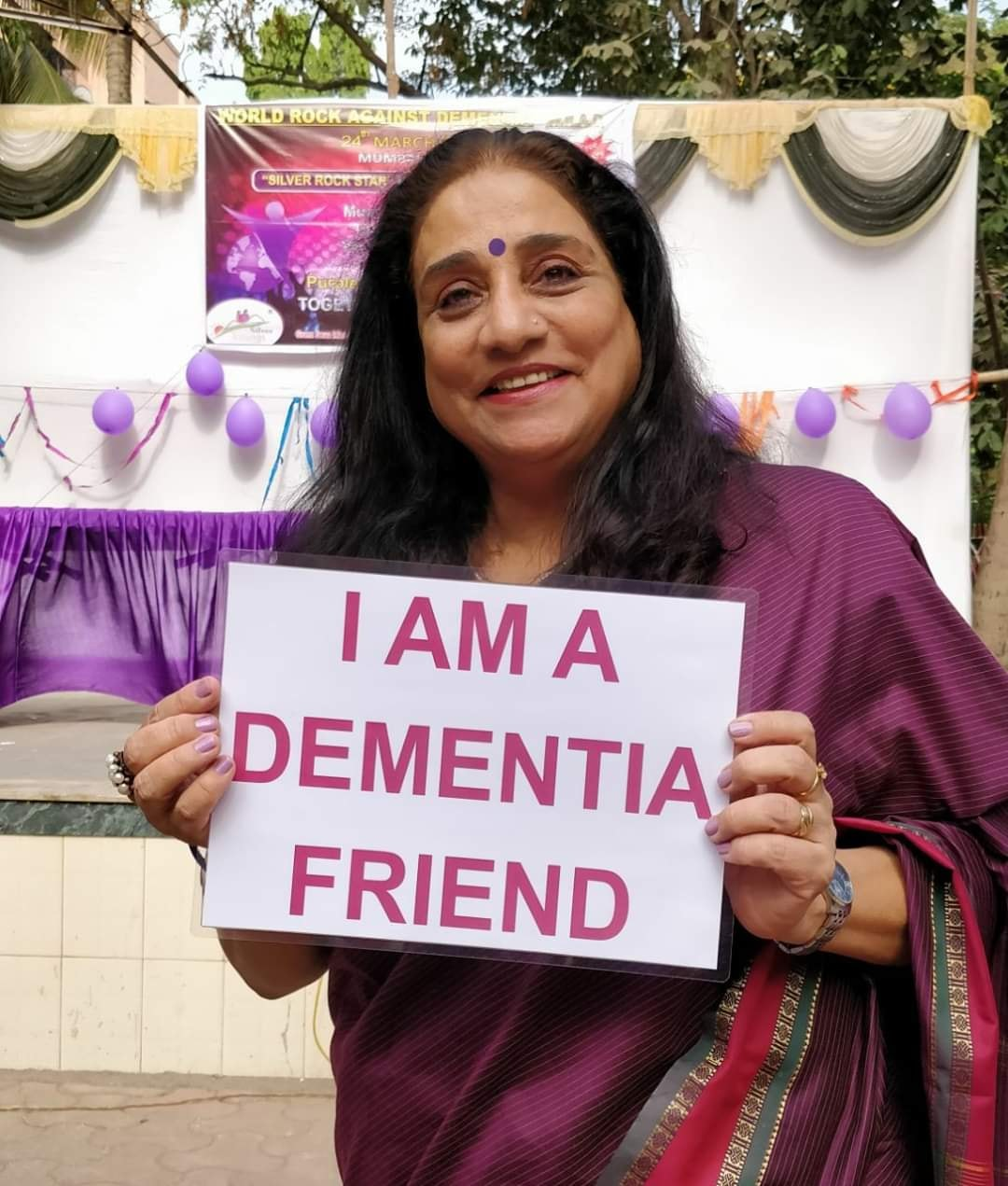

At this meeting, Hira spoke about Dementia and Alzheimer’s and grandparenting responsibilities, especially for women.


Most agreed with her thought that, grandparenting should be a choice and not an expected support. In urban India, the extended family living under one roof is not a given anymore and today's nuclear structure, means more expectations from older persons. In our culture, the role of the grandparent is perceived as a role to teach traditions, moral values, religious values and overseeing their well-being and more. Some older persons find themselves moving abroad every six months to look after the grand kids. While some easily adapt to a new place and society, others find it difficult to leave the old ways and find it difficult to adjust. The choice is often not given and that could cause a great deal of issues for older persons in the household.


Speaking about caregiving, Hira suggested that dementia be included in the disability package of health and health services as an essential, for providing comprehensive support, ensuring access to necessary medical and social services and alleviating the financial burden on families affected by dementia. Dementia causes significant cognitive impairment, affecting memory, reasoning, communication, and the ability to perform daily tasks. This aligns with the definition of disability as a condition that substantially limits one or more major life activities. She also mentioned that most of the time families treat it as old age issues and are unable to recognize it as dementia. Some are not willing to accept the fact and therefore early diagnose takes a back seat resulting in delay of treatment. Treating it as a disability will not only improve the quality of life for those with dementia, but also support the family and caregivers to deal with it effectively. Cost of care is high and dementia care will be expensive, with regard to medical treatments, long-term care services and out-of-pocket expenses. As dementia progresses, individuals will experience functional decline and require assistance with activities of daily living, such as bathing, dressing, eating, and managing medications. Individuals with dementia require regular attention and medical care to manage symptoms, monitor progression and treat comorbidity conditions. Long-term care is involved and many individuals with dementia will eventually need long-term care services, such as in-home care, adult day programs, assisted living, or nursing home care. Therefore, Hira requested that dementia be part of the disability package of health and health services, so that integrating it into disability packages will ensure that persons with dementia receive the support and care they need.


Irrespective of health and health services, governments and authorities should conduct public awareness campaigns to educate the public about dementia. It would help raise awareness about dementia, reduce stigma, and promote advocacy for better care and support services. Governments and health organizations also should develop policies that explicitly recognize dementia as a disability and outline the entitlements and services available. The society and community also need to support by expanding community-based support groups, adult day care centres and care programs.


UN 14th OEWG May'24 


One of the sharing that hit Hira hard at this meeting, was the sharing of a lady from the Far East. Belonging to the LGBTQ+ community, she talked about the stigma and discrimination, especially if institutionalized in the past or after having overcome mental issues, including anxiety, depression and suicidal ideation. Support groups are limited in number and despite increasing visibility and acceptance world over, social stigma and discrimination continue to impact her well-being. She called for attention towards continued efforts needed to ensure comprehensive legal protections, improve access to competent healthcare and combat social stigma and discrimination.


 Assisted living or Elder homes, is an option and respite for family caregivers, who need assistance during times of illness or travel or their own job constraints. Family members may get peace of mind knowing that their loved ones are receiving professional care and support in a safe and nurturing environment. Sadly, sometimes, older persons are not questioned about their preferences. Besides, older persons, may become vulnerable to exploitation, abuse, or neglect by caregivers and sometimes financially exploited too, if family does not pay attention or visit often enough. The 24/7 care by trained staff, helps ensure that older persons with complex medical needs or mobility issues receive the assistance they require. Dependence on caregivers for activities of daily living, the lack of mental stimulation and engagement in institutional settings, however, can accelerate cognitive decline, particularly for individuals with dementia or cognitive impairments. Older persons are at increased risk of experiencing depression, anxiety and other mental health issues with the loss of personal belongings and comfort, independence, social isolation and changes in assisted living environment with the limited privacy and loss of personal space. Financial burdens, particularly in places where long-term care services are expensive or not covered by insurance, often become the reason for home treatments for some families. High costs of care whether at home or assisted living option, can deplete the savings and assets, impacting financial status of the family. While institutionalization may be necessary for some older persons who require intensive care or support, it can have significant implications on mental health and quality of life.


In conclusion, caregiving is an essential aspect of an older person’s life cycle and therefore, it is necessary to continue raising awareness about the realities of caregiving and its cost. Advocating for policies that provide adequate support and resources, whether it is through community programs, government initiatives, or individual acts of kindness is important. There is a need to create a more compassionate and supportive environment, to ensure that both caregivers and care recipients receive the required assistance and resources.


~  Hira Mehta | Author | Podcaster | Motivational Speaker | Soft Skills Trainer

Sunday, October 16, 2022

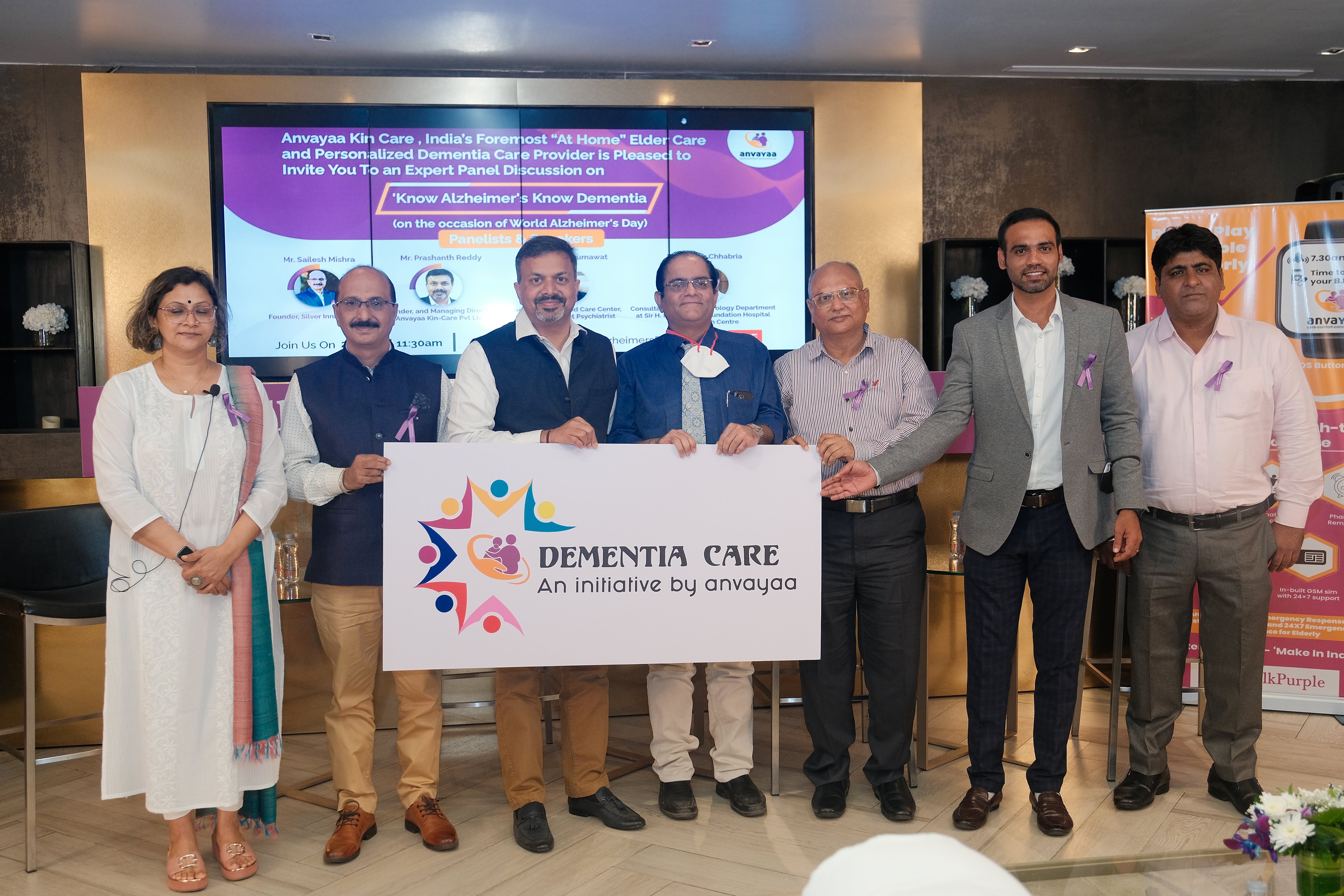
Anvayaa organizes a Fire Side Chat on Dementia Care

 Anvayaa,  India’s first and only IoT and AI tech-based start-up platform providing Companionship and Care to the elders hosted a Fireside chat on World Alzheimer’s Day themed ‘Know Alzheimer’s Know Dementia – Post diagnosis support’.  The panel was attended by Dr. Sanjay R Kumawat, Director, Insight Mind Care Center, Thane, Consultant Psychiatrist, Mr. Sailesh Mishra, Founder, Silver Innings Group, Dr. Manish Chhabria, Consultant Neurology, Sir H.N. Reliance Foundation Hospital & Research Centre, and Mr. Prashanth Reddy, Founder, and Managing Director, Anvayaa Kin-Care Pvt Ltd along with other guests and senior citizens. The chat focused on an insightful discussion on challenges faced by caregivers and family in diagnosis and post-diagnosis care for elders with Dementia and the supportive eco-system required for effective management of such elders.


‘Dementia’ is generally considered a part of aging; however, it does not occur naturally. Alzheimer’s Disease is the most common factor causing Dementia. As per the DementiaInIndia   & #LASI Wave-I report, around 5.3 Million Indians were affected by #Dementia in 2020. This number is likely to go up to a staggering 14 Million by the year 2050. Besides the diagnosis, post-diagnosis care, caregiver burnout, unique treatment plan, and unique challenges in taking care of elders with dementia. A personalized treatment plan enabling regular monitoring and tracking of the elderly is necessary because it manifests differently in different people and across the stages of progression. As the condition of the elderly worsens without adequate care and professional support, the whole family is bound to suffer great stress and pain.

Anvayaa’s one-of-a-kind #DementiaCarePlans are designed to reduce caregiver fatigue and the frustration the family goes through. Anvayaa has repeatedly shown that despite the lack of a cure for dementia, there is still a great deal that is possible to help people with dementia.  In comparison with other conditions faced by seniors, Alzheimer’s disease and dementia have very different symptoms and results. The pathogenesis of dementia is a progressive decline in cognitive function (memory, reasoning, decision-making, judgment, etc.), ultimately affecting bodily function. Dementia affects every aspect of a senior’s life, making specialized and personalized care even more essential. Although every case of dementia is unique, here are some things that may happen to a senior with these conditions’ general loss of memory, language, and decision-making abilities, dementia can cause other symptoms. These include changes in mood, such as increased irritability, depression, and anxiety. This requires compassionate and specialized training of caregivers to deal with the elderly. Early detection and diagnosis of Dementia can greatly help in slowing down the rate of deterioration and immensely helps in providing a much better quality of life for our beloved elders and their families.

According to Mr. Prashanth Reddy, Founder and Managing Director of Anvayaa Kin-Care Pvt Ltd, said, “We are happy to associate with Silver Innings, Dr. Sanjay R Kumawat, Clinical Psychiatrist, and Dr. Manish Chhabria, Consultant Neurology to host this fireside chat to spread awareness about Alzheimer’s disease and dementia on the occasion of World Alzheimer’s Day.  Our aim is to identify the critical challenges faced during post-diagnosis care of people with dementia. We have also developed ‘AI Enabled at Home Anvayaa’s Dementia Care Plan’ for compassionate care through a team of specially trained ‘Care Specialists’ who are guided by a team of qualified clinicians to provide customized support to persons with dementia and help the families to prevent burnout. The enlightening session today, will help Anvayaa further improve the services and help elders live a dignified life.  We firmly believe that although Alzheimer’s cannot be reversed, however with strategic interventions along with the trust and support of the elders and their families we can definitely help to delay the progress. We have already been able to positively improve the quality of life of persons with dementia in the last few months and hope to continuously improve our services and help more elders with dementia.”

Speaking on the occasion Mr. Sailesh Mishra, Founder, Silver Innings Group “It is a pleasure to associate with Anvayaa Kin Care and Dr. Sanjay R Kumawat for this necessary dialogue. As the world is progressing Dementia & Alzheimer’s are turning into a new Pandemics , and if India does not wake up then it will be difficult to handle. These diseases not only affect people with Dementia but also is a social, economic, and psychological burden on millions of families and caregivers.

Adding to this Dr. Sanjay R Kumawat, Director, Consultant Psychiatrist, Insight Mind Care Center said, “It is high time that we sensitize the community about Alzheimer’s disease and Dementia. These conditions are difficult to identify and diagnose. The post-diagnosis care is even more challenging both for the patient and the family. With the present lifestyle, it is time to be prepared for caring and understanding the patient with dementia. We should also make efforts to avoid the disease by adopting a healthy lifestyle. I would like to thank the entire team of Anvayaa to come forward and organize such an enlightening discussion on Dementia Care.”

Anvayaa has extensively grown and presently serves different services such as companionship, caretakers, tech instruction for elders, visiting temples or malls-assisting the elderly with shopping and other errands through our care managers. With technology-driven initiatives, Anvayaa guarantees senior residents with services including crisis care and social commitment. Over the past 6 years, Anvayaa has handled 350+ medical emergencies and provided immediate logistic support to the elderly to get access to healthcare in time as a result of which Anvayaa was able to save 97% of lives.


#Silverinnings #SaileshMishra #SeniorCitizens #Dementia #Dementiacare #Mumbai 


Tuesday, January 25, 2022

Humans of Dementia - Ajay

 Ajay became a part of A1Snehanjali in 2013 when he was seeking employment while working as a farmer. Ajay is 25 years old and currently works as a caregiver for people with Alzheimer’s disease. He spends his days taking care of them and tending to the needs of the residents. 

Ajay has been a part of the organisation since the project was initiated in August 2013. After he started working at A1Snehanjali, he learnt about Alzheimer’s and he decided he wanted to help the people who have become the victims of such a “nirdaye” (cruel) disease. “Everyone should live a good life,” he said. “Just because they cannot eat or relieve themselves independently, it does not mean we will take away their right to live a good life.”

As a caregiver, Ajay’s job entails waking up the residents, giving them a bath, giving them their medicines, feeding them their breakfast, taking them for a walk, engaging them in group activities, changing their diapers, preparing their lunch and then taking them for a nap. He manages all their grooming activities like helping them brush their teeth, changing their clothes and trimming their nails.

Ajay shared the story of one of the initial days of his job as a caretaker. At that time, there used to be only one resident in the organisation who had a habit of wandering off. Ajay used to stay by his side all the time and follow him around. Spending all his time talking, playing and taking care of that one resident made him so attached to him that Ajay started considering him as his own family member. When asked about the challenges he faces during this job as a caregiver, Ajay laughed and replied, “It’s their anger and their violent hits.” In situations like these, he waits for a few minutes for them to calm down and then tries again.

Despite this job being physically exhausting and mentally draining, the emotional attachment that each resident has with Ajay makes this job worthwhile for him. He “feels good” even after being tired. There have been numerous days throughout the years where Ajay wants to take a leave. When the residents get to know about this news, they get anxious about how they would be spending their day without Ajay, or who would look after them and listen to them talk. And the day Ajay returns to them, they immediately become happy. Ajay says that all this love and little acts of caring they have for him touches his heart and makes him want to work harder for them.

There is one thing that, he feels, many people do not know about Alzheimer’s and dementia disease― the importance of taking care of people who are diagnosed with the condition. Many people give up on them after the diagnosis because they find looking after them to be very tiresome and taxing. Ajay strongly believes that people should not ignore the needs― physical, mental and emotional― of these people. He also thinks that as a caregiver, it is necessary to know how to handle the resident, how to calm them down and understand them and also efficiently manage their sanitation and grooming.

Whenever someone learns that he is working as a caregiver and taking care of people with Alzheimer’s, they greatly appreciate him. He promises to work for and help these people till the day he can and also hopes others would follow his lead and help these people in all the ways they can.

Ajay strongly believes "Those with dementia are still people and they still have stories and they still have character and they're all individuals and they're all unique. And they just need to be interacted with on a human level." - Carey Mulligan.


By Vansh Tibrewal


Visit Facebook page: https://www.facebook.com/HumansofDementia 

Instagarm Page: https://www.instagram.com/sihumansofdementia/

#Silverinnings #HumansofDementia #dementia #Alzheimer #humanity #HumanityFirst #love #family #Instagram #A1Snehanjali #Relationship #Caregiver #Caregiving #Humans #Humanity #Caregiving #CarePartners #Touch #care #Smile 


Wednesday, December 15, 2021

Humans of Dementia - Raynah Remedios

 Making her father happier in his sunset years

Dementia and Alzheimer's were words Raynah had heard of, but could never truly comprehend. All she thought was that it perhaps had something to do with old age. She never realised the seriousness of the condition until it hit home and affected their lives as a family. Raynah lived in another city so her parents would visit her for about a month every year and she would visit them from time to time. 


There would be tell-tale signs in her father’s behaviour but as all do, would pass it off as absent mindedness or forgetfulness that was part of the ageing. There was this one time, when she saw him walking about with his dark glasses on. At first she ignored it but when she saw him reading the newspaper with his dark glasses on, she asked why? When he replied, “No wonder it is so dark! I was wondering why there is no light in your house." it made her wonder but not enough to be worried.

There were other such instances, which she dismissed off, like he would misplace things regularly, repeat the same stories or ask the same questions over and over again. She recalls that her mother was upset because he hadn’t wished her and thought that he was just being mean but he actually did not remember what day it was.  From not remembering names, not remembering days, years, birthdays to being unable to keep accounts, misplacing money, forgetting ATM pins, her father soon lost interest in doing the things he loved, like watching sports, movies and the news on TV. What worried Raynah more was that he stopped reading the newspaper, a ritual he had practiced religiously all his life.  


The family had till then still not realised that dementia had set in a while ago and was now progressing at an alarming rate.  When they finally took him to get some tests done, the doctor said that he should have been brought in five years ago. Everything quickly began to fall apart a few months after his diagnosis, as her father started to lose control over his bodily functions and would hide his soiled clothes in embarrassment. He used to love to eat and never wasted food but now he was now pushing his plate aside, barely eating a few morsels. His appetite diminished and slowly his personality started to change as well and would not talk much to anyone. He was angry a lot more and got aggressive when he would not be allowed to go out on his own. Her father walked out of the house often, would wander on the streets, get on to trains and buses and they would be forced to follow him, so he did not get lost. Raynah and her mother soon realised that there would be no permanent solution for this situation. 

On their next visit to the doctor, the family was told that the medication was not helping and the only option was to sedate him. The continuous sleeping most of the day left him disoriented and disheartened by the side effects, so the family decided not to continue to sedate him. When Raynah realised that her mother, who was his sole care giver, could not manage the pressures of looking after him all day any more, they began to reach out to people in the hope to find support and care. Of the options available, Raynah came to the conclusion that ‘A1Snehanjali’, dementia care facility of Silver Innings was the best place to give him the 24 hour attention, assistance and after  visit to the facility, they felt confident that he would be well looked after there. 


The choice to put their father in ‘A1Snehanjali’ wasn’t an easy one. It came with a guilt and disappointment of not being able to provide the comfort he needed and having to reach out to someone better equipped to help their father live out the remainder of his life, away from all his loved ones. ‘A1Snehanjali’ and their team proved to be the right choice and have not only been keeping him engaged but they have helped him retain some of his cognitive ability too. While his memory and cognitive and physical capabilities continue to deteriorate as the disease progresses, the family's only solace is that he is being taken good care of and doesn’t know what is happening. That he is happy and at peace in his own world, is now enough for the family.

Shared by Raynah Remedios, Daughter

Edited and Complied by Hira Mehta

Courtesy: 'Remember ME - You Me and Dementia' Book https://www.amazon.in/dp/9385221051 


Visit Facebook page: https://www.facebook.com/HumansofDementia 

Instagarm Page: https://www.instagram.com/sihumansofdementia/ 

#Silverinnings #HumansofDementia #dementia #Alzheimer #humanity #HumanityFirst #love #family #Instagram #A1Snehanjali #Relationship #Caregiver #Caregiving #Humans


Tuesday, October 26, 2021

Humans of Dementia - Jasmina

After Jasmina completed her university education, she became a stay-at-home mother. Spending all her time at home, she felt like she was sitting idle without a purpose, especially since she was qualified to take up more work. She was dissatisfied with her current state and decided that she would venture out to work. This is when she was introduced to A1Snehanjali assisted living elder care home, a project of Silver Innings and the work they do for elders and dementia. And the credit also goes to her husband, who encouraged her to take up some work, then being idle at home. 


Prior to her introduction to A1 Snehanjali, she didn’t know what Alzheimer’s disease was. However, when she visited the centre and spoke to the staff, she learnt more about the disease itself as well as the role of a caregiver in the dementia person lives. As she began coming to the job, she felt a homely feeling, an affection and closeness, which was missing in her life. The person with dementia seemed like her old parents and grandparents, and she found happiness in serving them. The missing piece in her life had been filled by her job.

Jasmina has now completed two years as a Center In charge and caregiver at A1Snehanjali. Serving the person with dementia (called as Residents) over the years, she has come to realise the value of her own parents and elders, and how fragile those relationships are. She has also found her co-staff and management to be helpful and supportive of each other, creating a healthy work environment. This is why she considers the person with dementia (residents) and staff to be her second family. But, it is also due to this attachment that when a any residents passes away, it really affects her a lot. When you serve someone every single day and one day they are no longer there, it creates a void and the absence is felt. While this hurts Jasmine a lot, she knows that this is a part and parcel of her work as a caregiver, and so, she continues to work in order to better the life of the residents.


Jasmina’s family members are very proud of Jasmina and the work she does. Her children and mother-in-law are extremely supportive of her job, and it is due to this that she is able to contribute time at her job and at home. Every morning, Jasmina wakes up, sends her children to school and comes to the centre. At the centre, she spends time with the residents, person with dementia - talking to them, facilitating prayer time, doing meaningful activities with them like singing, playing, drawing and watching TV. While she is at the centre, her mother-in-law looks after the home, which provides Jasmina support as she is freely able to go to work without worrying about the house. When Jasmina returns from work, she spends time with her children and finishes up the housework.

Having worked as a caregiver for last two years, Jasmina only has one thing to say - “Understand the value of your parents and grandparents. Respect them and care for them. Teach your children the same because if you don’t, one day you will be in the place of your parents and you won’t have anyone there for you.”

- By Vansh Tibrewal


Visit Facebook page: https://www.facebook.com/HumansofDementia

Instagarm Page: https://www.instagram.com/sihumansofdementia/


#Silverinnings #HumansofDementia #dementia #Alzheimer #humanity #HumanityFirst #love #family #Instagram #A1Snehanjali #Relationship #Caregiver #Caregiving #Humans  #CarePartners #Touch #care #Smile


Sunday, October 10, 2021

Humans of Dementia - Ganesh

 Ganesh is a 24-year-old full-time caregiver at A1Snehanjali. He is from Adivasis community (indigenous peoples of India) from small village near Vikramgad, Palghar District. His journey as a caregiver to person with Dementia (called as residents) began when he was looking for a job after completion of his class 12th education in village. He was introduced to Silver Innings assisted living elder care home ‘A1Snehanjali’ at Rajodi, Virar and decided to take up caregiving as his full-time job alongside continuing his education with encouragement and support of compassionate management.    


As a caregiver, his job entails of several tasks such as making the Residents eat food, giving them a bath, conducting prayer time, and making them go to bed at night. Every day, the residents also have scheduled recreation and mental stimulation activity time where Ganesh and other staff members facilitate activities like playing games, music, dance, art & craft, walk etc

Before coming to the centre, Ganesh didn’t know anything about Alzheimer’s disease or A1Snehanjali’s work. When he came here and learnt about the disease for the first time, he was shocked - “Aisa kaise? Aisa hota hai?” (How is this possible? This happens?) Slowly, he learnt more about Alzheimer’s, the needs and challenges of its person and how care can be given to them to make their life experience smoother. Since then, he has been working for A1Snehanjali, taking care of residents at the centre. 


As a 24-year old, he is one of the youngest staff members at the organisation. Working in a place where the other staff members are older than you can sound like a barrier in making friends at work, however, Ganesh didn’t seem to face that challenge. Rather, he believes that he found his co- staff members to be more than friends - he found a family in them. This is because the staff and management helps each other out and treats each other with respect, which makes it a peaceful work environment. 

Whilst working full-time, Ganesh also managed to study side-by-side, and recently he completed his Graduation BA with 93%. One would assume that balancing both is a challenge, and the job would be adding to Ganesh’s stress. However, it is surprising yet pleasing to know that he doesn’t find his job stressful nor does he find it tedious. Instead, he feels that the job brings him happiness and joy. It relieves his stress and gives him the satisfaction of having done good in society. Everyone at A1Snehanjali is helpful and supportive of each other as well as the residents, and so he feels like he belongs there. 

Being a young man working at a centre that takes care of Dementia / Alzheimer’s person – mental health issues, one would think that his family would have some reservations, perhaps the typical expectation of getting a corporate job. But, Ganesh’s family doesn’t seem to think that way. On the contrary, Ganesh’s family gives him blessings because he is helping people, helping Elders, doing good and virtuous work. It is a form of seva and his family is proud of him for doing it. 

Ganesh is an example and inspiration to youth of India, which thinks differently, being progressive, and committed to humanity!  


By Vansh Tibrewal

Visit Facebook page: https://www.facebook.com/HumansofDementia 

Instagarm Page: https://www.instagram.com/sihumansofdementia/ 

#Silverinnings #HumansofDementia #dementia #Alzheimer #humanity #HumanityFirst #love #family #Instagram #A1Snehanjali #Relationship #Caregiver #Caregiving #Humans 


Blogsite Disclaimer

The content of this Blog, including text, graphics, images, information are intended for General Informational purposes only. Silver Innings Blog is not responsible for, and expressly disclaims all liability for, damages of any kind arising out of use, reference to, or reliance on any information contained within the site. While the information contained within the site is periodically updated, no guarantee is given that the information provided in this Web site is correct, complete, and up-to-date.The links provided on this Blog do not imply any official endorsement of, or responsibility for, the opinions, data, or products available at these locations. It is also the user’s responsibility to take precautionary steps to ensure that information accessed at or downloaded from this or linked sites is free of viruses, worms, or other potentially destructive software programs.All links from this Blog are provided for information and convenience only. We cannot accept responsibility for sites linked to, or the information found there. A link does not imply an endorsement of a site; likewise, not linking to a particular site does not imply lack of endorsement.We do not accept responsibility for any loss, damage or expense resulting from the use of this information.Opinions expressed by contributors through discussion on the various issues are not necessarily those of Silver Innings Blog.