Welcome to Silver Innings Blog, Good Day

Powered by IP2Location.com
Showing posts with label Senior Citizens. Show all posts

Thursday, March 19, 2026

Message from Sailesh Mishra for Age With Rights Global Rally 2026

Sailesh Mishra, Founder President of Silver Innings, speaking to you from India, for Global Alliance for the Rights of Older People. 


Age With Rights Global Rally 2026 — united voices across the world calling for a UN Convention on the Rights of Older People. This is a important pivotal moment to ensure that as we age, our rights to dignity, inclusion, and equal opportunity are protected in law and in life. 

In India, we are witnessing a rapid rise in the number of older persons, bringing both opportunity and urgent challenges. Millions of elders struggle with financial insecurity, limited access to quality health and social care, and loneliness. Many face chronic diseases, daily hardships and lack support systems. 

Among them are the 8.8 million older adults living with dementia — individuals whose cognitive needs are often misunderstood and underestimated in policy and care planning. We must ensure they are not left behind, that their rights to care, dignity and participation are recognised and supported. 

Ageing with rights means no discrimination, no neglect, and no silence — regardless of ability, age or condition. 


Together, let’s make ageing with rights a reality for everyone, everywhere.


Dementia in Marathi - डिमेन्शिया आणि वृध्दांची देखभाल : शैलेश मिश्रा । काही तरी विशेष - भाग १७

Wonderful information regarding Dementia and Elder care shared by Gerontology and Dementia Expert Mr. Sailesh Mishra, Founder of Silver Innings and A1Snehanjali on Granthali Pratibhangan Youtube Channel.  


Thursday, July 4, 2024

A world I want to see as an older person

I have seen older persons being made to take early retirement, either because they are unable to step up to the changing workplace or there are young and qualified young individuals, who the workplaces feel will add fresh perspectives. As also, there is stereotyping older persons as not suitable on account of perceived notions of age-related physical changes, challenges in keeping pace with rapidly evolving technologies, slower processing speed often misconstrued as signs of diminished capability. When I retired at the age of 58 (yes, 58 was the age in my bank) I felt I had a lot more left in me to contribute and learn, but I didn't get much of a choice, after retirement. So, I chose to do the next best thing and that is writing books, podcasting and content writing. Even so, if suitable opportunities had been available for me, I am sure I would have been able to address any limitations and contribute much more to the workplace and the society. 

A world I want to see as an older person - Hira Mehta 

According to me, older persons like me, have the best experience of working with diverse people and in changing work environments. Given a chance older persons can continue to contribute to society and add value. The society can also benefit from utilizing our skills and experience, if not in the corporate world, that suffers from the "age" syndrome, then maybe in other fields, such as education and training. While it is said age is never an issue, I still see it is a stumbling block in most professions and a barrier. The truth is that most older persons, like me, are still mentally and physically fit and prepared to work, but opportunities are few and sometimes difficult to find. There are many like me, who are continuing to seek gainful opportunities and then there are a number of older people who are happily retired and are enjoying their silver years. Then there is also that expectation from the children, emotionally drains older persons, especially when they are expected to look after grandkids after retirement, which can’t be overlooked. There still exists lack adequate job opportunities for those who want to continue to work, not to mention financial support, retirement benefits, inadequate social security and pensions for older persons. Unfortunately, our society is yet to recognize this as a social problem enough to promote age-friendly opportunities, environments and support.  

In every aspect of life there are pros and cons. I have realised that with the advent of social media, there has been a great deal of connectivity, but there is also lack of face-to-face communication, leading to social isolation and disconnection from society for some of my peers. Children are moving away from the homes to make their own nests, so the lack of social security or retirement benefits, the dependency on others for their care and daily needs or their own physical and mental health issues is becoming an issue for older persons. This is resulting in older persons being vulnerable to scams, abuse and with no one to care for their health and daily needs and it has been seen to lead on to issues like depression and loneliness. The family is still one of the biggest support systems for older people in India with around 82% of older people living with their families and yet prevalence of elder abuse in India ranges between 9.6% to 61.7% over different states. Financial inadequacy and issues such as inheritance or property disputes result in elder abuse cases. Most older people do not have access to legal assistance to safeguard their property rights, or protection for abuse related issues. Emotional support and guidance for such cases is also not easily available, either. Authorities, companies, societies still need to recognize and address health needs and safety needs of older persons to ensure that they can age with respect, inclusion, support and without any fear. Governments need to strengthen social welfare programs such as adequate pensions, legal support, health and financial schemes to ensure economic stability and reduced dependency on children. Studies have shown that regular physical and mental activity such as yoga, art of living, meditation is helping older persons. However, in urban India, there is a lack of open spaces, infrastructure, safe spaces, transport inaccessibility and access to such places. Rural India does have open spaces, but here there are other issues more important such as nutrition, awareness and education to manage first. 

As an older person, I want to see a world where workplaces and society offer good health services, social inclusion with opportunities for older persons to allow them to continue contributing their expertise, without being judged by their age. A world that allows me and all older persons, the independence to live on my own terms and with dignity at home and in society.  I see a range of tailor-made social activities and learning opportunities suited to my interests and abilities and being allowed to engage in enriching the lives of the next-gen with my years of experience and expertise. Retirement savings and pension plans, that adequately support the financial needs that ensure that older persons can afford a comfortable lifestyle without worry or stress is so necessary.  As we grow older, in making a good life for our families, we seem to forgot about living life and planning for old age and keep pushing it for later. I see older persons no longer burdened by responsibilities and demanding careers, with that dread of "what do I do now?". I remember, that I did not get the work I wanted after retirement and feeling lost for long. I see myself owning my lifestyle my way. I see some of my peers, perhaps starting businesses from home, enjoying their silver years volunteering or even running marathons. Let me share that I participated in marathons for many years, but today I can't even walk half a kilometre, let alone run, without looking for a place to sit down a while and I am sure if a dog were to run after me, I would get bitten for sure. I have 60+ girl friends who are enjoying 35 kms runs every morning and rightfully boasting about it on their social media pages and all I do is hit that 'like' button and move on. Even so, I see a world, where I have the right to choose what is best for me, without the comparisons and the comfort of getting to do it and looking forward to more without older persons like me, being stereotyped as not capable or suitable on account of age-related perceived notions. Older persons, like me, should feel safe and secure in their homes and neighbourhoods, with good support systems in place to address any concerns or emergencies promptly and with technologies seamlessly integrated empowering them to stay connected to society, family and friends. 

Let me end with this sharing. My father-in-law, a heart patient with loss of sight in one eye and half vision in the other for over ten years of his 99-year-old life, never stopped him from living life on his terms and following his heart. Despite uneven roads, traffic woes, he would walk to the temple ground close to home, meet his friends and return home with goodies for us. His memory never failed him and the stories he told, the songs he sang, the memories he shared embodied his entire being. Neither did it stop him from cooking meals for the family before I reached home, tired from work. I want to see myself living an independent life, just like he did, on my terms with good health, age-friendly environments, infrastructure, transportation, social inclusion and overall well-being support making it easy for me to live well.


By Hira Mehta | Author | Podcaster | Motivational Speaker | Soft Skills Trainer 
"A world I want to see as an older person with rights in my country and community. My thoughts at the Open-ended Working Group OEWG14, UN headquarters, New York, May'24" 

Thursday, June 27, 2024

Caregiving and support for older persons

Learning and thoughts on Caregiving and Support for Older Persons at the Open-ended Working Group #OEWG14, UN headquarters, New York, 20th to 22nd May'24. 

Hira Mehta, official Spokesperson of Silver Inning Foundation at 14th OEWG, UN HQ, NYC, May'24 

Hira Mehta attended an in-person CSO Consultation on the implementation of Human Rights Council resolution on care and support during #OEWG14 on Ageing Rights for older persons (9 am-12 pm, 23 May 2024) at the UN Secretariat Building, UNHQ, New York as representative of Silver Inning Foundation. The meeting was chaired by Asako Hattori and moderated by Martyna Balciunaite, UN official. The topic of discussions were (1) what human rights are relevant for older persons as caregivers and receivers of care and support and (2) what are the specific challenges and rights issues faced by older persons facing discrimination in the context of providing or receiving care and support (older women, older persons with disability, older persons belonging to minorities, etc).


At this meeting, Hira spoke about Dementia and Alzheimer’s and grandparenting responsibilities, especially for women.


Most agreed with her thought that, grandparenting should be a choice and not an expected support. In urban India, the extended family living under one roof is not a given anymore and today's nuclear structure, means more expectations from older persons. In our culture, the role of the grandparent is perceived as a role to teach traditions, moral values, religious values and overseeing their well-being and more. Some older persons find themselves moving abroad every six months to look after the grand kids. While some easily adapt to a new place and society, others find it difficult to leave the old ways and find it difficult to adjust. The choice is often not given and that could cause a great deal of issues for older persons in the household.


Speaking about caregiving, Hira suggested that dementia be included in the disability package of health and health services as an essential, for providing comprehensive support, ensuring access to necessary medical and social services and alleviating the financial burden on families affected by dementia. Dementia causes significant cognitive impairment, affecting memory, reasoning, communication, and the ability to perform daily tasks. This aligns with the definition of disability as a condition that substantially limits one or more major life activities. She also mentioned that most of the time families treat it as old age issues and are unable to recognize it as dementia. Some are not willing to accept the fact and therefore early diagnose takes a back seat resulting in delay of treatment. Treating it as a disability will not only improve the quality of life for those with dementia, but also support the family and caregivers to deal with it effectively. Cost of care is high and dementia care will be expensive, with regard to medical treatments, long-term care services and out-of-pocket expenses. As dementia progresses, individuals will experience functional decline and require assistance with activities of daily living, such as bathing, dressing, eating, and managing medications. Individuals with dementia require regular attention and medical care to manage symptoms, monitor progression and treat comorbidity conditions. Long-term care is involved and many individuals with dementia will eventually need long-term care services, such as in-home care, adult day programs, assisted living, or nursing home care. Therefore, Hira requested that dementia be part of the disability package of health and health services, so that integrating it into disability packages will ensure that persons with dementia receive the support and care they need.


Irrespective of health and health services, governments and authorities should conduct public awareness campaigns to educate the public about dementia. It would help raise awareness about dementia, reduce stigma, and promote advocacy for better care and support services. Governments and health organizations also should develop policies that explicitly recognize dementia as a disability and outline the entitlements and services available. The society and community also need to support by expanding community-based support groups, adult day care centres and care programs.


UN 14th OEWG May'24 


One of the sharing that hit Hira hard at this meeting, was the sharing of a lady from the Far East. Belonging to the LGBTQ+ community, she talked about the stigma and discrimination, especially if institutionalized in the past or after having overcome mental issues, including anxiety, depression and suicidal ideation. Support groups are limited in number and despite increasing visibility and acceptance world over, social stigma and discrimination continue to impact her well-being. She called for attention towards continued efforts needed to ensure comprehensive legal protections, improve access to competent healthcare and combat social stigma and discrimination.


 Assisted living or Elder homes, is an option and respite for family caregivers, who need assistance during times of illness or travel or their own job constraints. Family members may get peace of mind knowing that their loved ones are receiving professional care and support in a safe and nurturing environment. Sadly, sometimes, older persons are not questioned about their preferences. Besides, older persons, may become vulnerable to exploitation, abuse, or neglect by caregivers and sometimes financially exploited too, if family does not pay attention or visit often enough. The 24/7 care by trained staff, helps ensure that older persons with complex medical needs or mobility issues receive the assistance they require. Dependence on caregivers for activities of daily living, the lack of mental stimulation and engagement in institutional settings, however, can accelerate cognitive decline, particularly for individuals with dementia or cognitive impairments. Older persons are at increased risk of experiencing depression, anxiety and other mental health issues with the loss of personal belongings and comfort, independence, social isolation and changes in assisted living environment with the limited privacy and loss of personal space. Financial burdens, particularly in places where long-term care services are expensive or not covered by insurance, often become the reason for home treatments for some families. High costs of care whether at home or assisted living option, can deplete the savings and assets, impacting financial status of the family. While institutionalization may be necessary for some older persons who require intensive care or support, it can have significant implications on mental health and quality of life.


In conclusion, caregiving is an essential aspect of an older person’s life cycle and therefore, it is necessary to continue raising awareness about the realities of caregiving and its cost. Advocating for policies that provide adequate support and resources, whether it is through community programs, government initiatives, or individual acts of kindness is important. There is a need to create a more compassionate and supportive environment, to ensure that both caregivers and care recipients receive the required assistance and resources.


~  Hira Mehta | Author | Podcaster | Motivational Speaker | Soft Skills Trainer

Monday, August 7, 2023

How to Connect with your Elders

We live in 21st century where Change is fast and constant, there is so much happening in our life and its difficult to keep the pace and take everyone along. New Development, urge to grow, explore new things and stay ahead from all; is not only taking toll on our mental and physical health but also on our relationship. In all this, fast 'vertical growth' of our life we unknowingly leave behind some and the gap between generations is growing. While we move ahead we forget basic ethics of life which can keep bond between families and humans intact. In this life journey our Elders at home and elders in our life suffer most and they live life in isolation and loneliness. Our Elder deserve Respect and they need us, they need youth to connect with them. Different generations coming together will not only help our human development and keep family together but it will also let our Elders know that we value them, we care for them, we respect them. 

Don't Leave Your Elders Behind 


With our Silver Innings experiences and wonderful article by 'Wits End Parenting and Hunter Rising' we have found out some basic ways, Tips; which will help you to start the conversation and connect to your Elders and these meaningful ways will help to build wonderful relationship with your elders. Our mission is to #LeaveNoOneBehind .


Tip 1 : Give them a Call, it can be either audio call or video call and message them when ever you have time. It might be not possible to visit them, but hearing your voice or seeing you, will make them feel good and they will appreciate it. 


Tip 2 : Whenever possible visit them it can be surprise visit. Plan a visit according to their daily routine, seeing you in person and that face to face chat will boost their well-being. 


Tip 3: Elders like when someone greets them, shake hand, giving hug or say Namaste. Talk to them in normal tone, talk slow and in simple language; remember happy face makes things better; communication is important for any relationship.  


 Tip 4: Elders love when we seek their Advice. They are rich source of experience, they have knowledge, they have lived the life of ups and down. You can seek their advice on job, relationship, happy life and issues you are not clear about, elder like to be heard  and let them know you appreciate their advice.  


Tip 5: Everyone of us has a story and our Elders have many stories to be told. They love to talk about their life, their job, their travel, their friendship, their family moments, their struggle; give them ears and they will love you.  


Tip 6: Elders like when you give them compliment and when you admire them; tell them that they have made good contribution to family, they have made positive contribution to you and people around.  Appreciate them. 


Tip 7: Find out if your Elder or some Elder you know is in difficulty, offer them Help, Ask them if they need help in medication, grocery, utility payments, activity of daily living; this will help them to feel that they are not alone.   


Tip 8: There is nothing in this world better then enjoying meal together; sitting down and having tea, coffee, snack or meal together is excellent way of  socializing and bonding.  Have a 'Meal Date' with Elder and make that small meal chat, its Friendship between generation.  


Tip 9: We all love Celebration, whether its festivals, match, win or our special days, birthdays. Celebrate these Special days with your elders, either at home, planned holiday or hotels. Let them know they are not Forgotten. 


Tip 10: Due to ageing, ours Elders have specific needs, it can be while sleeping, seating; make them comfortable, be gentle to them, understand them and ask them if they need anything.   


Tip 11: It is always better to make person independent and not be over protective, Elders will need space, let them do things till they can. Make things easier for them. 


Tip 12: If you don't have your home nearby or your elder staying near you, its nice to reach out to elders in community, society, elder home, nursing homes, assisted living, dementia home, adult day care. Visit once a week or when ever you have time and spending meaningful time with elders through activities, events, picnics, recreation, entertainment; will only add life to years of these elders.  


At Silver Innings since 2008 we are working towards creating Elder and Dementia Friendly World where Ageing becomes a Positive and Rewarding Experience.

Creative by Gayatri Patel - GGrafix360

Concept by #SilverInnings 


Saturday, April 29, 2023

Intergenerational Benefits for Older Adults

Intergenerational Connections: Importance for Older Adults

As people age, they often find themselves disconnected from the younger generation, which can lead to feelings of loneliness, isolation, and disconnection. However, studies have shown that intergenerational connections can have numerous benefits for older adults, including improved mental and physical health, increased social support, and a sense of purpose and meaning in life. In this essay, we will explore the importance of intergenerational connections for older adults and how they can benefit from these relationships.

The importance of intergenerational relationships for older adults cannot be overstated. Interacting with individuals from different generations can provide many benefits for older adults, including enhanced cognitive abilities, improved emotional well-being, and a greater sense of purpose and meaning in life. This essay will explore the various benefits of intergenerational relationships for older adults and provide examples of how older adults can engage with younger generations.

Firstly, intergenerational relationships can help older adults maintain cognitive function. Research shows that older adults who engage in intergenerational activities have better cognitive abilities, such as memory, attention, and problem-solving skills. This is because intergenerational interactions challenge older adults to think outside of their usual patterns and perspectives, which can stimulate their brains and enhance their cognitive abilities. For example, older adults who engage in activities with younger generations, such as playing games or solving puzzles together, can improve their cognitive abilities and prevent cognitive decline.

Secondly, intergenerational relationships can improve emotional well-being for older adults. Older adults often experience loneliness and social isolation, which can have negative effects on their mental health. However, intergenerational relationships can provide older adults with social support, companionship, and a sense of purpose. For example, older adults who volunteer with younger generations, such as mentoring or tutoring programs, can experience a sense of fulfillment and satisfaction from helping others. Additionally, intergenerational relationships can provide older adults with opportunities to learn new skills or knowledge from younger generations, which can boost their confidence and self-esteem.

Thirdly, intergenerational relationships can give older adults a sense of purpose and meaning in life. Older adults may feel a loss of purpose or relevance as they age, especially if they have retired or experienced other life transitions. However, intergenerational relationships can provide older adults with a sense of purpose and a reason to keep learning and growing. For example, older adults who engage in intergenerational activities, such as teaching or mentoring younger generations, can feel valued and important. Additionally, intergenerational relationships can help older adults see the world from a different perspective and gain a deeper understanding of the needs and challenges of younger generations.

Intergenerational connections can improve the mental and physical health of older adults. Social isolation and loneliness have been linked to a range of negative health outcomes, including increased risk of cardiovascular disease, depression, and cognitive decline. However, studies have shown that older adults who have regular interactions with younger people have better mental and physical health outcomes than those who do not. For example, a study conducted by the American Association of Retired Persons (AARP) found that older adults who participated in intergenerational programs had lower rates of depression, improved cognitive function, and a greater sense of purpose and meaning in life.

One more example of an intergenerational program that benefits older adults is the Experience Corps. This program pairs older adults with elementary school students, where they serve as tutors and mentors. The program has been shown to improve academic outcomes for students and enhance emotional well-being for older adults. Another example is the Foster Grandparent Program, which connects older adults with at-risk youth in their communities. Older adults serve as role models and provide emotional support for these children, which can improve their well-being and reduce behavioral problems.

Furthermore, intergenerational connections can provide older adults with increased social support, which can be particularly important for those who live alone or have limited social networks. Studies have shown that older adults who have regular contact with younger people report higher levels of social support, which can lead to greater feelings of happiness, well-being, and life satisfaction. Additionally, intergenerational relationships can provide older adults with opportunities to mentor and guide younger people, which can help them feel valued and respected within their communities.

Another benefit of intergenerational connections for older adults is the sense of purpose and meaning that comes from engaging with younger generations. Many older adults struggle with finding purpose and meaning in their lives after retirement, particularly if they feel disconnected from the larger community. However, intergenerational programs and relationships can provide older adults with opportunities to share their knowledge and experiences with younger people, which can give them a sense of purpose and meaning in life. Additionally, older adults who participate in intergenerational programs often report feeling more connected to their communities and more engaged in civic life.

There are many ways in which older adults can engage with younger generations to experience the benefits of intergenerational relationships. For example, older adults can volunteer with organizations that work with children or young adults, such as schools, libraries, or community centers. They can also participate in intergenerational programs, such as mentoring or tutoring programs, where they can share their knowledge and skills with younger generations. Additionally, older adults can engage in activities that bring together people of different ages, such as community service projects or cultural events.

Finally, intergenerational connections can help to break down age-based stereotypes and promote understanding between generations. In today's society, age-based stereotypes are often perpetuated by the media and other cultural institutions, which can lead to negative attitudes and beliefs about older adults. However, intergenerational relationships can help to challenge these stereotypes and promote greater understanding and respect between generations. When older adults interact with younger people, they can share their experiences and perspectives, which can help to break down stereotypes and foster greater empathy and understanding.

In conclusion, intergenerational connections are important for older adults because they can improve their mental and physical health, increase their social support networks, provide them with a sense of purpose and meaning in life, and promote understanding between generations. As the population ages, it is increasingly important to promote intergenerational connections and programs that bring together people of all ages. By doing so, we can help to create more vibrant and connected communities that benefit people of all ages and backgrounds.

Family Support for Older People

 Family systems are the foundation of our society. A family system consists of various individuals who are related by blood, marriage, or adoption. Family systems vary from culture to culture, but their importance remains the same. The role of family in caring for older people has become increasingly important due to demographic changes and the growing aging population. This essay explores the family system and how it can help our older people.

PICTURE: https://sanalake.com/wp-content/uploads/2020/11/Family-Roles-in-Addiction-Treatment-.jpg

The family system refers to the various roles, relationships, and interactions that exist between members of a family. Family systems are important as they provide a sense of belonging, emotional support, and security. They also serve as a source of socialization, education, and values transmission. Family systems can have a significant impact on the physical, mental, and emotional health of their members.

The Importance of Older People 

Older people are an essential part of our society. They have contributed to our communities, economy, and culture throughout their lives. However, as they age, they may experience physical, mental, and emotional challenges. These challenges can lead to social isolation, loneliness, and poor health outcomes. It is, therefore, essential to ensure that older people have access to the care, support, and resources they need to age with dignity and respect.

Family System and Older People

The family system can play a vital role in supporting older people. Family members can provide emotional support, practical assistance, and social interaction that can improve the quality of life for older people. Family systems can also help older people maintain their independence, dignity, and sense of self-worth.

Emotional Support

Emotional support is essential for older people as they age. Family members can provide emotional support by being there to listen, provide encouragement, and offer reassurance. This emotional support can help older people cope with the challenges of aging, such as chronic illness, loss of mobility, and social isolation.

Practical Assistance

Older people may need practical assistance with daily activities such as cooking, cleaning, and shopping. Family members can provide this assistance, which can help older people maintain their independence and quality of life. Practical assistance can also prevent older people from having to move into residential care or assisted living facilities, which can be expensive and may not provide the same level of comfort and support as the family home.

Social Interaction

Social interaction is vital for older people as it can help prevent social isolation and loneliness. Family members can provide social interaction by visiting, taking older people out, and involving them in family activities. Social interaction can improve the mental and emotional health of older people and reduce the risk of depression and anxiety.

Maintaining Independence

Maintaining independence is essential for older people as it can help them maintain their sense of self-worth and dignity. Family members can help older people maintain their independence by providing practical assistance, emotional support, and social interaction. This support can help older people stay in their homes for longer, which can have a significant impact on their quality of life.

Challenges in Family System Support

While the family system can provide significant support for older people, there are also challenges that need to be addressed. These challenges include:

Family Conflicts

Family conflicts can arise due to differences in opinions, expectations, and values. These conflicts can make it difficult to provide effective support for older people, and may even lead to neglect or abuse. It is essential to address family conflicts and find ways to resolve them to ensure that older people receive the support they need.

Caregiver Burnout

Family members who provide care for older people may experience caregiver burnout. This burnout can lead to stress, anxiety, and depression, which can impact the quality of care provided. It is essential to provide support and resources to family caregivers to prevent burnout and ensure that older people receive required care and love. 

Financial Strain

Providing support for older people can be expensive, especially if they have significant health or mobility issues. Family members may need to provide financial assistance, which can strain their own finances. It is essential to plan for the financial costs of supporting older family members to ensure that everyone is prepared for the financial strain.

Distance

Family members may live far away from each other, making it challenging to provide support for older family members. Distance can limit the amount of practical assistance and social interaction that family members can provide. It is essential to find ways to overcome the distance barrier, such as through regular phone or video calls, or by arranging visits when possible.

Limited Resources

Some families may not have the resources to provide adequate support for older family members. This may be due to financial constraints, health issues, or other challenges. It is essential to identify available resources and support services that can help families provide the necessary support for older family members.


Conclusion

In conclusion, family systems can play a vital role in supporting older people. Emotional support, practical assistance, social interaction, and maintaining independence are all crucial elements of the support that family members can provide. However, there are also challenges that need to be addressed, such as family conflicts, caregiver burnout, financial strain, distance, and limited resources. It is essential to find ways to overcome these challenges and provide the necessary support to ensure that older people age with dignity and respect. The family system remains an essential component of our society, and we must continue to value and support it in caring for our aging population.


Saturday, April 1, 2023

Podcast: Understand Dementia

 Dementia is progressive brain disorder and we need to understand it in simple language to manage people with Dementia. Caregivers stress needs to be talked about. Know more about Tips and some solutions to counter Dementia and Alzheimer's. 

https://open.spotify.com/episode/0ZNg4jPukNiycaWFcirUwf?si=ezBmzUV1S2SYiyvg6PeOnw


Listen to my podcast Understand Dementia: click at this link : https://open.spotify.com/episode/0ZNg4jPukNiycaWFcirUwf?si=B0OlODCRR6Cda0Cp2s8xeg 


#podcast #SeniorCitizens #Eldercare #Elders  #World # #oldage #olderadults #India #seniors #seniorliving #empathy #Family #Relationship #saileshmishra #spotify #Dementia #Silverinings 

Monday, March 13, 2023

What is Ageing Process

 Ageing is a natural process that occurs in living organisms over time, characterized by a gradual decline in physiological function and an increased vulnerability to disease and death. It is a complex and multifactorial process influenced by genetic, environmental, and lifestyle factors.

Image copyright: https://i.ytimg.com/vi/jc4yK0zZ-cQ/maxresdefault.jpg

At the cellular level, ageing is associated with a range of changes including a decrease in cellular energy production, accumulation of damage to cellular components such as DNA, and altered gene expression. These changes can lead to a variety of age-related diseases, such as cardiovascular disease, cancer, and dementia.

While ageing is an inevitable part of life, there are things that individuals can do to promote healthy ageing, such as maintaining a healthy diet, regular exercise, reducing stress, and avoiding harmful habits such as smoking and excessive alcohol consumption. Researchers are also exploring various interventions and treatments aimed at slowing down or reversing the ageing process.

Ageing is the process of growing old or maturing, which involves a gradual decline in the functioning of various physiological systems in the body. This decline is a natural and inevitable part of the human life cycle and affects everyone as they grow older. Ageing can be characterized by changes in appearance, such as wrinkles and gray hair, as well as changes in physical and cognitive abilities. Some of the factors that contribute to ageing include genetic factors, environmental factors, lifestyle choices, and other external factors. While ageing is a normal and expected part of the human life cycle, it can also increase the risk of certain health problems and chronic diseases.


Sunday, February 26, 2023

Assisted living Home good option for Age care

Assisted living is a way of life that is suited to those who need assistance with the activities of daily living. It is a good option for older adults and specially person with dementia, Alzheimer and Parkinson, who need assistance with daily living activities such as bathing, dressing, cooking and meal preparation. They also need 24 hour monitoring of their health because of their age and the fact that they might have physical limitations.

Older adults can live in assisted living facilities if they have the ability to meet their personal needs and there are no concerns about their safety or welfare. If you are considering moving into an assisted living facility it is important to know what aspects of care you will receive there so you feel comfortable with your decision.

Assisted living facilities offer many types of services for its residents. Some offer full-time nursing staff who will help with daily activities such as bathing, dressing and cooking meals for the resident as well as providing companionship during times when they are alone. Other facilities may only offer part-time nurses who will come by every morning or afternoon to help with daily tasks such as preparing meals and cleaning rooms before residents return home at night.

Assisted living homes for older adults are the best option for those who need some help with their daily activities. It is a good option to stay in a home where your needs are taken care of and you have access to facilities that can help you live independently.

Assisted living has many benefits for older adults. They feel safe, secure and comfortable with the help of staff members who are trained professionals. As they get older, these people may have trouble performing certain tasks on their own such as taking a shower or doing laundry. The staff will be there to assist them in performing these tasks which makes them feel at ease.

There are other benefits of assisted living like 24/7 monitoring of health conditions and medication administration which is impossible when you are on your own at home or in nursing homes or hospitals. You will also receive around-the-clock care from trained nurses and caregivers who can help out with personal care, household activities such as shopping, cooking and cleaning among others so that you don't have to worry about anything when you go out or when you're away from home because someone else will be there for you should something happen while you're out.

As we get older, our muscles may weaken, making it more difficult for us to do things like walk up stairs or lift heavy objects. In addition, our bones become more brittle as we age, which can make it harder for us to stay active and healthy. It’s a fact of life that as we age, our ability to perform some of the activities we once did becomes limited and sometimes difficult. This is especially true when it comes to physical activity and exercise.

Silver Innings program 'A1Snehanjali' offers assisted living elder care home near Mumbai, it offers a wide range of holistic services and amenities so residents can live comfortably while still being able to maintain a high quality of life.

Email: silverinnings@gmail.com

Website: http://silverinnings.in/


#Silverinnings #A1Snehanjali #Oldage #ASSISTEDLIVING #Mumbai #Dementia #Eldercarehome #Elderhome 

UMANG 2023 - India’s Largest Stage Talent Show for Senior Citizens

UMANG 2023 is presented by Rotary Club of Mumbai Nariman Point, Rotaract Club and Inner Wheel Club of Mumbai Nariman point in association with Silver Inning Foundation, NGO working with Senior Citizens.


UMANG’ a Unique Talent show of Senior Citizens is being organized by Silver Inning Foundation since 2008.

We at Silver Innings believe “Ageing is not ‘lost youth’ but a new stage of opportunity and strength” – Betty Friedan.

USP about this unique event is that Participant and Audience do not belong to any particular organization, NGO or group. People from different part of Mumbai from Virar, Thane, Navi Mumbai to South Mumbai came to witness and perform the ageless talent.

This year UMANG 2023, is biggest ever Senior Citizens Stage Talent Show, this time total 170 Performers are presenting 21 Performance - breaking all previous years record. Total 1000 people will witness the Silver Magic


Event Date: Saturday 4th March 2023 Event Time: 9am to 12.30pm Venue: Birla Matoshree, New Marine Lines, near Bombay Hospital, Mumbai.

Entry through Invitation only. Registration is mandatory.


Our Networking Partners are: HelpAge India OYA - Open Your Arms Sophia College, Mumbai Nirmala Niketan Senior Citizens Alumni Association, The Federation of Senior Citizen's Organisations of Maharashtra (FESCOM) and Photomist.


Email: silverinnings@gmail com

Website: https://silverinnings.in/

#umang2023 #seniorcitizens #SENIORCITIZEN #Silverinnings #oldage #mumbai #talent #talentshow


Sunday, October 16, 2022

Don't raise age bar for concession, senior citizens urges railways

 The speculation gathered steam as previously it was decided not to bring the rail travel concession back after it was stopped during Covid.

A senior citizen group has written to the railway's ministry, requesting not to increase the cut-off age of senior citizens for travel concessions. Recently, there were reports that the government was considering increasing the cut-off age to 70 years for males and 65 years for females. The speculation gathered steam as previously it was decided not to bring the rail travel concession back after it was stopped during Covid.

The senior citizen group has said that the average life expectancy for males is less than 70 years as per 'SRS (sample registration system) Based Abridged Life Tables, 2015-19', which was recently released by the registrar general and census commissioner's office. As per the SRS report, the national average stood at 69.7 but for males, it was 68.4 while for females it was 71.1.

Prior to the pandemic, the cut-off age for the concession was 60 for men or transgender, and 58 for women. Concessions were given in all classes in the basic fare of mail and express trains; not to mention, Rajdhani, Shatabdi, Jan Shatabdi and Duronto group of trains. The concession was 40 per cent for men or transgender and 50 per cent for women. The concessions were not admissible in passenger trains.

Silver Innings Group, an NGO working for issues of senior citizens, has asked Union minister of state for railways Raosaheb Danve to reconsider the decision. “We have written to the government to reconsider the issue based on the data received through RTI and SRS report. The standing committee has said that the concessions should be restored,” said Silver Linings Group founder president Sailesh Mishra.

As per RTI's reply to Mishra, the number of senior citizens, who availed concessions in the three-year period before the pandemic, is 11.11 crore in 2017-18, 12.02 crore in 2018-19 and 12.07 crore in 2019-20. In the same period, the revenue missed due to concessions stood at Rs 1,492 crore for 2017-18, Rs 1,636 crore for 2018-19 and Rs 1,667 crore for 2019-20.

Asserting that the decision to stop concession during the pandemic was reasonable as the railways were financially-hit, Mishra reasoned, “But, now things have opened up and trains have been restored to their original schedule. It is a huge loss for senior citizens in urban and rural areas as railways are the fastest and cheapest mode of transport for them.” If public employees and elected representatives can get relief in their travel, why should senior citizens not get any relief? Earlier, the age difference was five to seven years between husband and wife. If a male will not be able to travel, how will a female go? Because the cut-off excludes most males as per their age, people in rural areas will suffer more, Mishra underscored.

Sailesh Mishra from NGO working for the elderly said, "We have written to the government to reconsider the issue based on the data. If public employees and elected representatives can get relief in their travel, why should senior citizens not get any relief?


Post courtesy : https://www.freepressjournal.in/mumbai/mumbai-dont-raise-age-bar-for-concession-senior-citizens-urges-railways 


#Silverinnings #Seniorcitizens #Railways #India #Discount #Concession #Pandemic #Oldage #SaileshMishra 


Anvayaa organizes a Fire Side Chat on Dementia Care

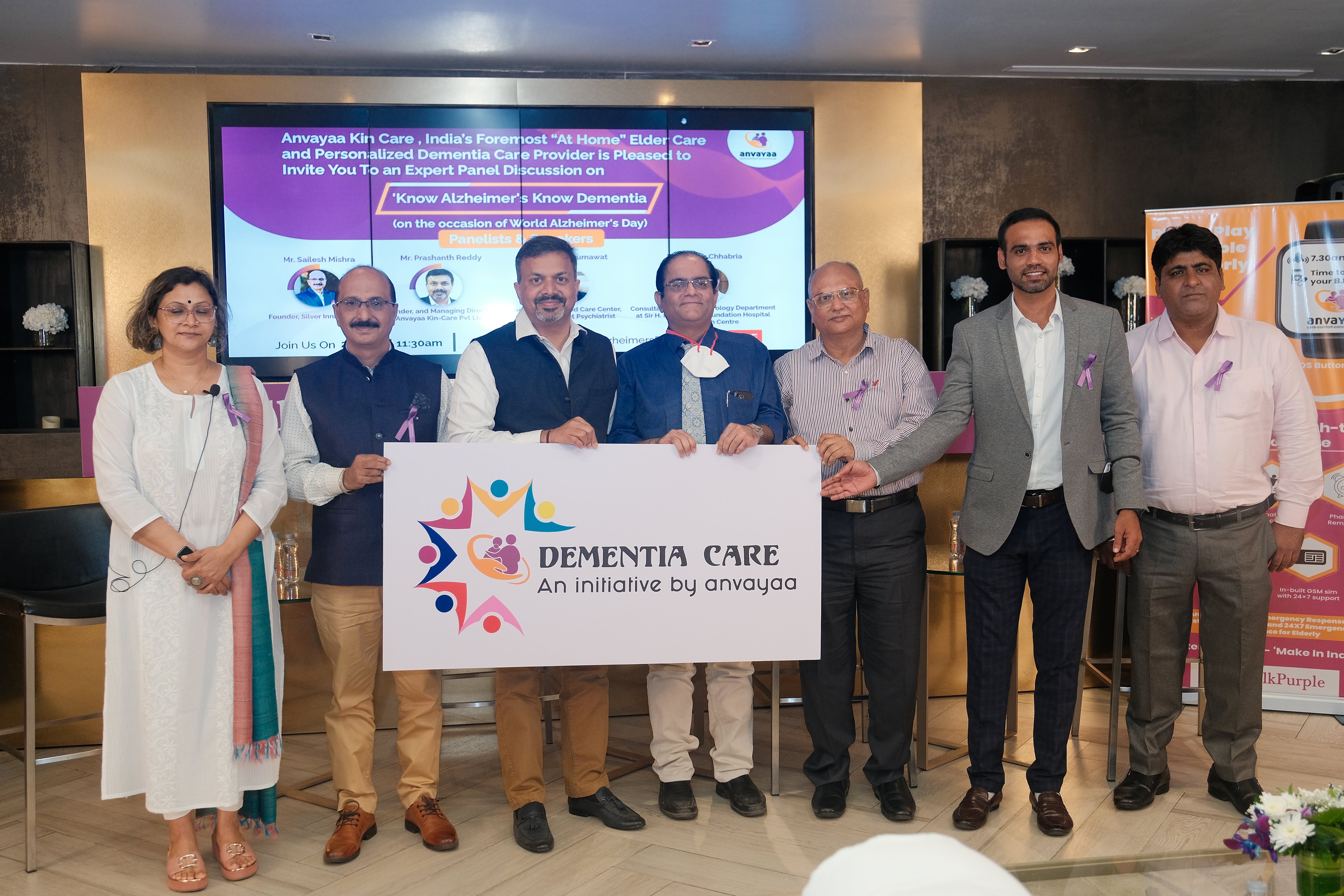
 Anvayaa,  India’s first and only IoT and AI tech-based start-up platform providing Companionship and Care to the elders hosted a Fireside chat on World Alzheimer’s Day themed ‘Know Alzheimer’s Know Dementia – Post diagnosis support’.  The panel was attended by Dr. Sanjay R Kumawat, Director, Insight Mind Care Center, Thane, Consultant Psychiatrist, Mr. Sailesh Mishra, Founder, Silver Innings Group, Dr. Manish Chhabria, Consultant Neurology, Sir H.N. Reliance Foundation Hospital & Research Centre, and Mr. Prashanth Reddy, Founder, and Managing Director, Anvayaa Kin-Care Pvt Ltd along with other guests and senior citizens. The chat focused on an insightful discussion on challenges faced by caregivers and family in diagnosis and post-diagnosis care for elders with Dementia and the supportive eco-system required for effective management of such elders.


‘Dementia’ is generally considered a part of aging; however, it does not occur naturally. Alzheimer’s Disease is the most common factor causing Dementia. As per the DementiaInIndia   & #LASI Wave-I report, around 5.3 Million Indians were affected by #Dementia in 2020. This number is likely to go up to a staggering 14 Million by the year 2050. Besides the diagnosis, post-diagnosis care, caregiver burnout, unique treatment plan, and unique challenges in taking care of elders with dementia. A personalized treatment plan enabling regular monitoring and tracking of the elderly is necessary because it manifests differently in different people and across the stages of progression. As the condition of the elderly worsens without adequate care and professional support, the whole family is bound to suffer great stress and pain.

Anvayaa’s one-of-a-kind #DementiaCarePlans are designed to reduce caregiver fatigue and the frustration the family goes through. Anvayaa has repeatedly shown that despite the lack of a cure for dementia, there is still a great deal that is possible to help people with dementia.  In comparison with other conditions faced by seniors, Alzheimer’s disease and dementia have very different symptoms and results. The pathogenesis of dementia is a progressive decline in cognitive function (memory, reasoning, decision-making, judgment, etc.), ultimately affecting bodily function. Dementia affects every aspect of a senior’s life, making specialized and personalized care even more essential. Although every case of dementia is unique, here are some things that may happen to a senior with these conditions’ general loss of memory, language, and decision-making abilities, dementia can cause other symptoms. These include changes in mood, such as increased irritability, depression, and anxiety. This requires compassionate and specialized training of caregivers to deal with the elderly. Early detection and diagnosis of Dementia can greatly help in slowing down the rate of deterioration and immensely helps in providing a much better quality of life for our beloved elders and their families.

According to Mr. Prashanth Reddy, Founder and Managing Director of Anvayaa Kin-Care Pvt Ltd, said, “We are happy to associate with Silver Innings, Dr. Sanjay R Kumawat, Clinical Psychiatrist, and Dr. Manish Chhabria, Consultant Neurology to host this fireside chat to spread awareness about Alzheimer’s disease and dementia on the occasion of World Alzheimer’s Day.  Our aim is to identify the critical challenges faced during post-diagnosis care of people with dementia. We have also developed ‘AI Enabled at Home Anvayaa’s Dementia Care Plan’ for compassionate care through a team of specially trained ‘Care Specialists’ who are guided by a team of qualified clinicians to provide customized support to persons with dementia and help the families to prevent burnout. The enlightening session today, will help Anvayaa further improve the services and help elders live a dignified life.  We firmly believe that although Alzheimer’s cannot be reversed, however with strategic interventions along with the trust and support of the elders and their families we can definitely help to delay the progress. We have already been able to positively improve the quality of life of persons with dementia in the last few months and hope to continuously improve our services and help more elders with dementia.”

Speaking on the occasion Mr. Sailesh Mishra, Founder, Silver Innings Group “It is a pleasure to associate with Anvayaa Kin Care and Dr. Sanjay R Kumawat for this necessary dialogue. As the world is progressing Dementia & Alzheimer’s are turning into a new Pandemics , and if India does not wake up then it will be difficult to handle. These diseases not only affect people with Dementia but also is a social, economic, and psychological burden on millions of families and caregivers.

Adding to this Dr. Sanjay R Kumawat, Director, Consultant Psychiatrist, Insight Mind Care Center said, “It is high time that we sensitize the community about Alzheimer’s disease and Dementia. These conditions are difficult to identify and diagnose. The post-diagnosis care is even more challenging both for the patient and the family. With the present lifestyle, it is time to be prepared for caring and understanding the patient with dementia. We should also make efforts to avoid the disease by adopting a healthy lifestyle. I would like to thank the entire team of Anvayaa to come forward and organize such an enlightening discussion on Dementia Care.”

Anvayaa has extensively grown and presently serves different services such as companionship, caretakers, tech instruction for elders, visiting temples or malls-assisting the elderly with shopping and other errands through our care managers. With technology-driven initiatives, Anvayaa guarantees senior residents with services including crisis care and social commitment. Over the past 6 years, Anvayaa has handled 350+ medical emergencies and provided immediate logistic support to the elderly to get access to healthcare in time as a result of which Anvayaa was able to save 97% of lives.


#Silverinnings #SaileshMishra #SeniorCitizens #Dementia #Dementiacare #Mumbai 


Remember Me Podcast: Empathy with Seniors बुजुर्ग से हमदर्दी

Listen to interesting perspective of  Sailesh Mishra - fonder of Silver Innings in this short soulful podcast on World Elders Day ( International Day of Older Persons) 1st October 2022. 

https://open.spotify.com/episode/7INyUqPk6dzy6tPbxHyz4l?si=vIEc45OuRYW6piShh6nPrA


Soulful Talk of Sailesh Mishra, Silver Innings by RJ  RICHA ANIRUDH, Credit and copyright : Big Heroes 92.7 Big FM Delhi. This podcast is for educational and non commercial purpose only. 


To subscribe this podcast click here:  https://open.spotify.com/show/1dhTVUIZJk88jTOLrXPbqm?si=d79c9fb7503b46e4


#podcast #SeniorCitizens #Eldercare #Elders #WED #World #IDOP #oldage #olderadults #India #seniors #seniorliving #empathy #Family #Relationship #saileshmishra #spotify 


Sunday, August 21, 2022

Remember Me Podcast: Rail no Way to Seniors - RTI

Indian railways have discontinued concession for Senior Citizens since 20th March 2020, let's get insight and our demand and RTI Reply

https://open.spotify.com/episode/4bBVGq7DBFq2VhaPEu2ZXt?si=0XDm1v1NTmSS0KSbvx0-ww


Episode 3: Rail no Way to Seniors - RTI


'Remember Me' Podcast: Why I started my Podcast

Dear Friends, I have started my #Podcast #RememberME - My Soulful Thoughts on Life, Journey and Human Habitat .


This episode is about: Conversations are key to human development, we need to talk, listen to enrich ourselves

https://open.spotify.com/episode/4XSfuEnvNdcFYs6FCDj89J?si=c8a365b70d774248


Listen Here: 

Episode 2: Why I started my Podcast

Thursday, June 9, 2022

JAC of Senior Citizens Demands for BMC Elections 2022

 Joint Action Committee (JAC) Press Conference was held on 8th June 2022 at Mumbai Marathi Patrakar Sangh, Mumbai.


Silver Shakti!!!!!!!!

To make the 'Silver Voices' heard loud and clear and to make the 'Silver Presence' in society graceful and dignified; we have formed the Joint Action Committee (JAC) of various Organizations, NGOs working for Senior Citizens, researchers and academicians dedicated to the cause of elderly in Mumbai.  The Committee will strive to work with the BMC and various Political Parties to mainstream the special needs and demands of senior citizens.  We demand all Political parties to include issues of Senior Citizens in their Election Manifesto, as they are not only an important vote bank but also the important stakeholders with an estimated 25% of the Voting Population. If the Political Parties and Leaders fail to meet our Demands, we as the Powerful Vote bank will be forced to use NOTA in the upcoming BMC Elections.

A report released by the Ministry of Statistics, GOI in March 2019 said that the number of citizens over the age of 60 jumped by 35.5 per cent — from 7.6 crore in 2001 to 10.3 crore in 2011. In the upcoming elections, this population will be a major factor in deciding who comes to power. In Maharashtra, Senior citizens form around 10% of state population, which comes to an estimated 1.30 crore of Maharashtra’s and in Mumbai itself constitutes approximately 15 lakhs. 

The right to vote is the foundation of any democracy. The vote represents the voice of people and is therefore a powerful tool to exercise to bring about a change in their city and their country as a whole. Senior Citizen are Committed Voters and understand the importance of voting and engage in the process to become egalitarianism warriors in their own communities. Issues such as health care, medical facilities, prices of medicines, pensions, Shelter, retirement schemes and transportation, special attention for poor and homeless, will be upper most in the minds of the older people. To make sure that their needs are met and concerns are heard is the very need of the hour. 


Based on constitutional and legal provisions, Government of India and Maharashtra state government has formulated various policies and devised various programmes for the elders including National Policy for the Older Persons 1999 and Maharashtra Senior Citizens Policy 2013 and subsequently in 2018. However, these have remained only on Paper. After advocacy and constant struggle by Senior Citizens Originations from 2010 to 2013, The Brihanmumbai Municipal Corporation (BMC) on 5th August 2013 through its Resolution no. 622 cleared the Senior Citizens Policy in its general body meeting, which is first such policy by any Municipal Corporation in the country. This policy, which includes the provision of day care facilities and recreation grounds for them in every municipal ward as also medical helpline services and amenities in open spaces, was announced on 2013.  Further benefits included in the policy are, dedicated spaces for senior citizens in large housing complexes, library with books on spirituality and health, and ramps, railings at public toilets. Senior citizens would also be provided specialized healthcare at select civic hospitals for hypertension, diabetes, loss of vision and other ailments.  For the first phase of implementation, BMC had agreed to form a committee headed by the then Mayor Sunil Prabhu.

But it is with great regret and disappointment we note that a pittance of the expected work has been done by BMC after announcement of this Policy. A few Day care facilities and a few Nana Nani parks have been set up only at the whims and fancies of the Councilors. To make it worse there is no Budgetary provision has been made for the implementation of the Policy. It is shameful to state that an RTI filed for details of expenditure has received no response.


Based on the recommendations of the United Nations to which India is a signatory and the policies for senior citizens to which Central and State Governments have committed, the JAC demands the following:


                            I Finance and Planning  

a) Make a definite budgetary provision for the welfare and security of elders in the Senior Citizens policy, allocate 10% of BMC budget to Senior Citizens Policy 

b) Raise CSR funds for effective Implementation of initiatives for elders 

c) Corporators need to spend minimum 10% of their allocated funds for the welfare of Senior Citizens 

d) Form ‘Senior Citizens Policy Committee’ at HQ as well as at all the 24 administrative wards for Planning and Implementation. Senior Citizens Policy Committee’ to meet regularly for monitoring and evaluating implementation and progress of initiatives.  

e) Permanent Office for ‘BMC Senior Citizens Bhavan’ at a central, convenient accessible location.

f) Appointment of a Nodal Officer at the rank of Joint Commissioner/ Deputy Commissioner to monitor the progress of the implementation of the policies and programmes as well as to address the grievances of the senior citizens

g) The Community Development Officer (C.D.O.) / Social Worker at BMC to work on Seniors program, projects awareness, planning, implementation 


II Health Care and Nutrition - Health care should be affordable and accessible to all senior citizens 

a) Free medical treatment for all senior citizens at all Government Hospitals and Primary Health Center 

b) Establishment of a Geriatric ward at every Government hospital. Appoint Geriatric Expert / Doctors in all BMC hospitals

c) 'Mahatma Jyotirao Phule Jan Arogya Yojana' to be implemented at all hospitals and specially for Elders with no documents and homeless

d) Free / Subsidized Medicines / Generic Medicine to be made available

e) Reserve 10% bed for Geriatric population in private hospitals / nursing homes

f) Introduce the WHO Recommended Adult Vaccination Programme. Priority to senior citizens in all Vaccinations and Health Care initiatives

g) OPD special section / desk for Seniors / Display of Notice board at every hospitals of available facilities for Seniors  

h) Free / Subsidized Diagnosis at Government hospitals and clinics

i) MMC (Mobile Medical Clinic) for elders living in poor communities and elders below BPL

j) Wellness and Prevention program like Yoga, Alternative Therapies, AYUSH, Health camps for Seniors

k) Mental Health Screening in collaboration with BMC Hospitals 

l) MID Day Meal to be extended to poor seniors. To initiate GOI POSHAN Abhiyaan / Shiv Bhojan like scheme 


III   Shelter and Welfare: 

a) Multipurpose Senior Citizens Full Day Care Centre

b) Dementia Day Care Centre 

c) Respite Stay Centre

d) Homeless Elders Night Shelter

e) Policy for protection of Senior citizens during natural and manmade disasters  

f) Specific spaces and facilities to be reserved in Development Control and Promotion Regulations (DCPR), SRA and MHADA for Senior Citizens - Day Care Centres


                   IV    Protection of life and property of Senior Citizens

a) Legal Aid Cell to work on issues and problems faced by the elders

b) Special concession in Water and Property tax for Old Age Homes and Seniors Day Care Centers 

c) Provision to establish BMC Retired person's special cell  

d) Involve NSS and Civil Defense officers and volunteers for Safety and Security of Seniors

e) Special Call Center for Senior Citizens issues  


V Accessibility, transport and Age friendly environment

a) Application of WHO Global Age-friendly Cities Guidelines to city planning

b) Accessible, affordable and safe public transport

c) Age-friendly driving conditions and parking facilities

d) Age-friendly buildings, pavements and walkways, safe pedestrian crossings and adequate rest areas

e) Affordable, well-designed and safe housing 

f) Auto, Taxi, Water Transport to be sensitize towards Seniors

g) Special Concession and Travel arrangement for Senior Citizens in BMC Buses 

h) Age Friendly, Accessible Public Washroom and Sanitation 


VI Capacity Building and Visibility

a) Training of Caregivers, Para Professionals, Medical professionals  

b) Mandatory Celebration of Days of Senior Citizens : 15th June World Elder Abuse Awareness Day; 21st September World Alzheimer's Day  and 1st October World Elders Day  

c) Training and Sensitization of Senior Citizens Associations towards formation, management, of Trust / Society and various program and schemes of BMC

d) To give visibility to BMC Senior Citizens program and projects through Print, Audio Visual and social media 

e) To strengthen research and documentation in social gerontology


We the Senior Citizens of this City, State and Country are Responsible Citizens; we have wisdom, experience and time, we are asset to the Society, we are always willing to help government and authorities for welfare of society at large, we need Independence, Freedom, Security and Dignity; we can’t be ignored or neglected any more. We expect that we will see the importance of senior citizens and their demands in the election manifesto of your party and your candidates.


JAC Spokespersons for Coordination:

Dr. Rekha Bhatkhande  - Spokespersons

Vijay Aundhe - Spokespersons 

Prakash Borgaonkar - Spokespersons 

Adv. Nirmala Samant Prabhavalkar - Spokesperson

Sailesh Mishra - Coordinator


LIST OF JAC MEMBERS:

1. Adhata Trust

2. All India Bank Retirees Federation  

3. All India Central Government Pensioners Association

4. All India Retired Insurance Employees Federation

5. All India Retired Reserve Bank Employee Association

6. Brihan Mumbai Pensioners Association 

7. Brihan Mumbai Retired Employees Association

8. Center for Life Long Learning , TISS

9. Centre for the Study of Social Change (RRTC Mumbai) 

10. College of Social Work ( Autonomous) Nirmala Niketan

11. Dignity Foundation 

12. Dilasa Kendra of Shushrusha Citizens Cooperative Hospital, Mumbai

13. FESCOM  

14. General Insurance Pensioners, All India Federation  

15. GIC Pensioners Association 

16. Help Age India 

17. Indian Association of Retired persons (IARP) Mumbai 

18. Money Life Foundation

19. MTNL Pensioners Workers Associations

20. Silver Inning Foundation 

21. Sophia College (AUTONOMOUS)

22. The Family Welfare Agency 


Blogsite Disclaimer

The content of this Blog, including text, graphics, images, information are intended for General Informational purposes only. Silver Innings Blog is not responsible for, and expressly disclaims all liability for, damages of any kind arising out of use, reference to, or reliance on any information contained within the site. While the information contained within the site is periodically updated, no guarantee is given that the information provided in this Web site is correct, complete, and up-to-date.The links provided on this Blog do not imply any official endorsement of, or responsibility for, the opinions, data, or products available at these locations. It is also the user’s responsibility to take precautionary steps to ensure that information accessed at or downloaded from this or linked sites is free of viruses, worms, or other potentially destructive software programs.All links from this Blog are provided for information and convenience only. We cannot accept responsibility for sites linked to, or the information found there. A link does not imply an endorsement of a site; likewise, not linking to a particular site does not imply lack of endorsement.We do not accept responsibility for any loss, damage or expense resulting from the use of this information.Opinions expressed by contributors through discussion on the various issues are not necessarily those of Silver Innings Blog.